Raw Honey: Nutrition and Everyday Uses
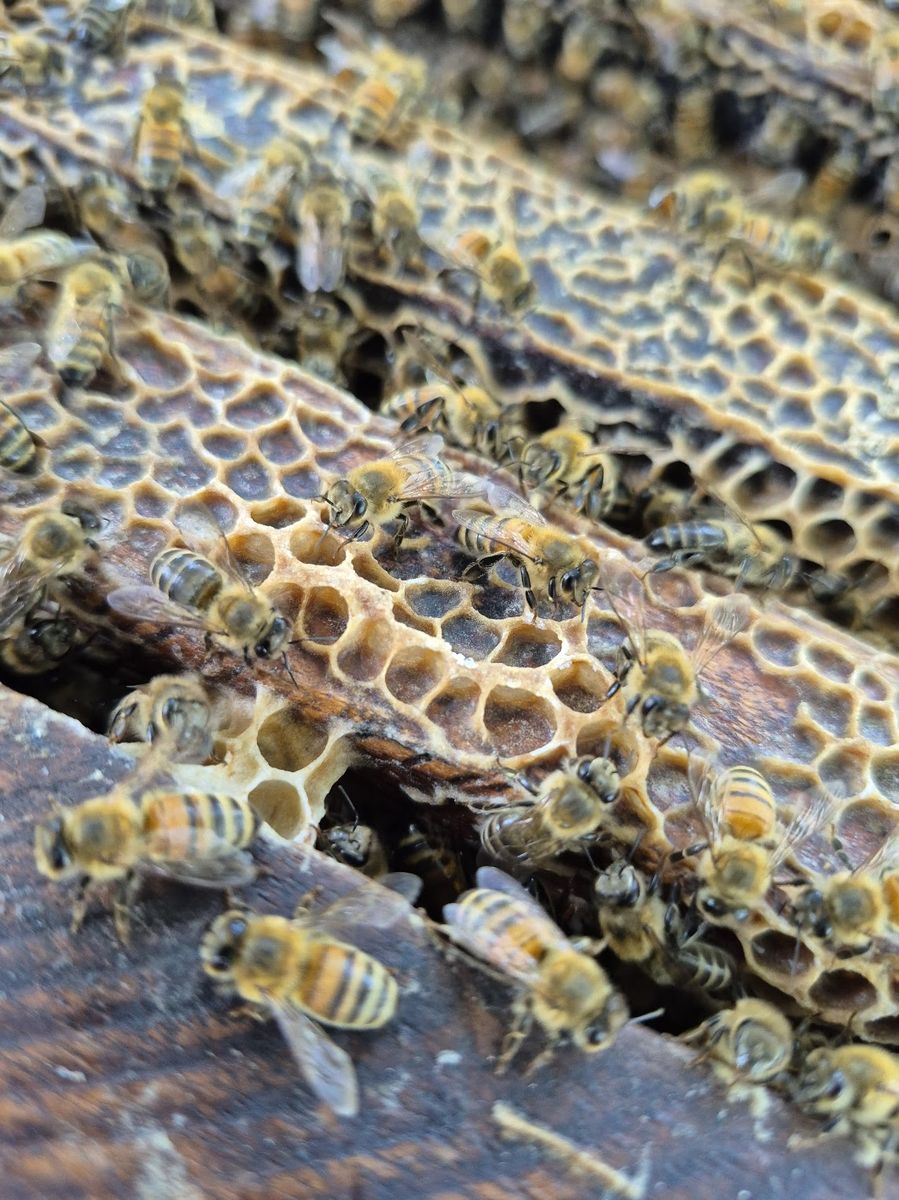
Honey Is a Food
Raw honey is honey that has not been heated or heavily processed, so it keeps the aroma, color and flavor of the flowers it came from. People have been eating it for thousands of years. We like it for exactly what it is: a natural sweetener with a character of its own. Honey is a food, not a substitute for medicine.
What Is in a Spoonful
- Natural sugars: honey is about 80% sugars, mainly fructose and glucose. Most of the rest is water (about 17%).
- Energy: one tablespoon (about 21g) provides roughly 60 calories.
- Trace nutrients: small amounts of minerals, enzymes and antioxidants from the flowers the bees visit. These amounts are very small, so honey is not a meaningful source of vitamins or minerals.
Why Every Honey Tastes Different
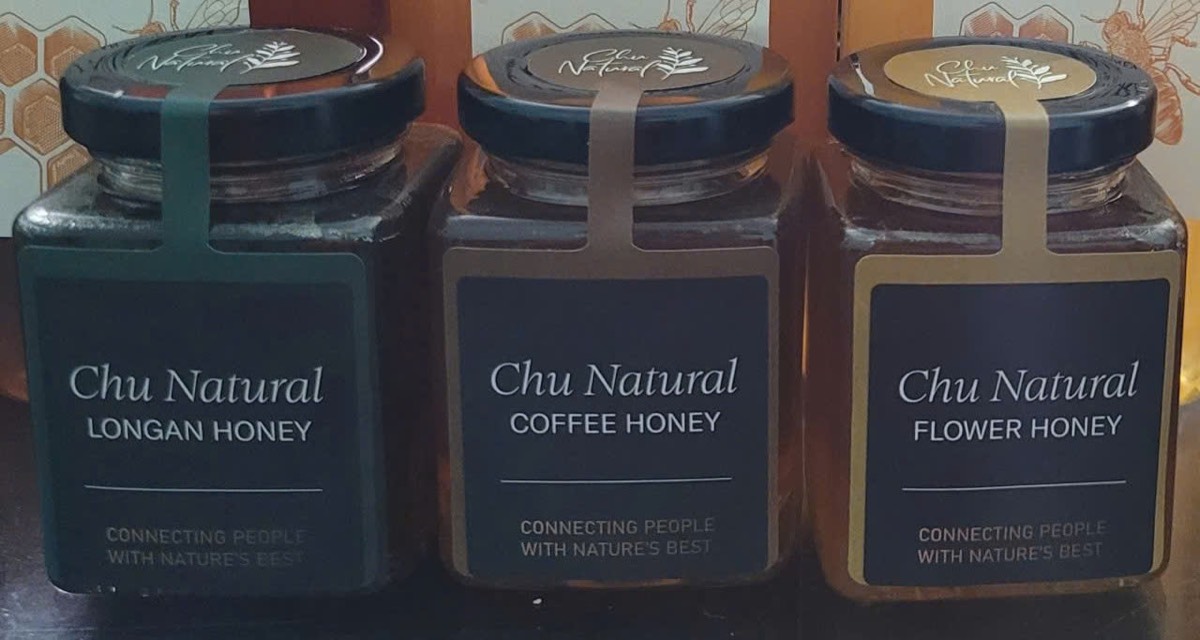
Flavor and color depend on the flowers the bees forage on. Longan blossom honey is bright golden with a distinctive longan aroma. Wildflower honey is darker, with a richer taste drawn from many kinds of wild blossom. Trying a few varieties is the quickest way to find the one you like.
Everyday Ways to Use Honey
- In warm water or tea: stir honey into warm water below 40°C rather than boiling water, to keep its flavor. Many people have it in the morning or before bed.
- With lemon or ginger: a familiar warm drink that many families use to soothe the throat.
- At breakfast: drizzle it over toast, yogurt, oatmeal or fruit.
- In cooking: use it in marinades, sauces and salad dressings in place of some of the sugar.
- In baking: honey is sweeter than sugar and keeps cakes moist, so use less of it than the sugar a recipe calls for.
How Much Is Sensible
Honey is still sugar, with about as many calories as regular sugar. The World Health Organization recommends keeping free sugars, which include honey, below 10% of daily energy intake. A teaspoon or two in a drink or a dish goes a long way. If you are trying to lose weight, use it in small amounts. If you have diabetes, ask your doctor before using it.
Who Should Not Have Honey
Babies under 12 months must never be given honey, because of the risk of poisoning from Clostridium botulinum spores. Children over 1 year old and adults can enjoy it as normal.
Storing Honey
Keep honey at room temperature in a dry place, away from direct sunlight, with the lid tightly closed. Crystallization is natural in pure honey and does not mean it has gone bad. To make it liquid again, stand the jar in warm water below 40°C.
Choosing Your Honey
The most reliable approach is to buy from a transparent source where you know the beekeeping region and the beekeeper. Chu Natural works directly with beekeepers in Sơn La, Lai Châu, Phú Thọ and Gia Lai, and our honey has no additives and no added sugar.
Try Chu Natural Honey Today
100% pure, ethically harvested from Vietnam's finest forests.
View Products