Why Pure Honey Matters: How to Spot Real vs. Fake Honey
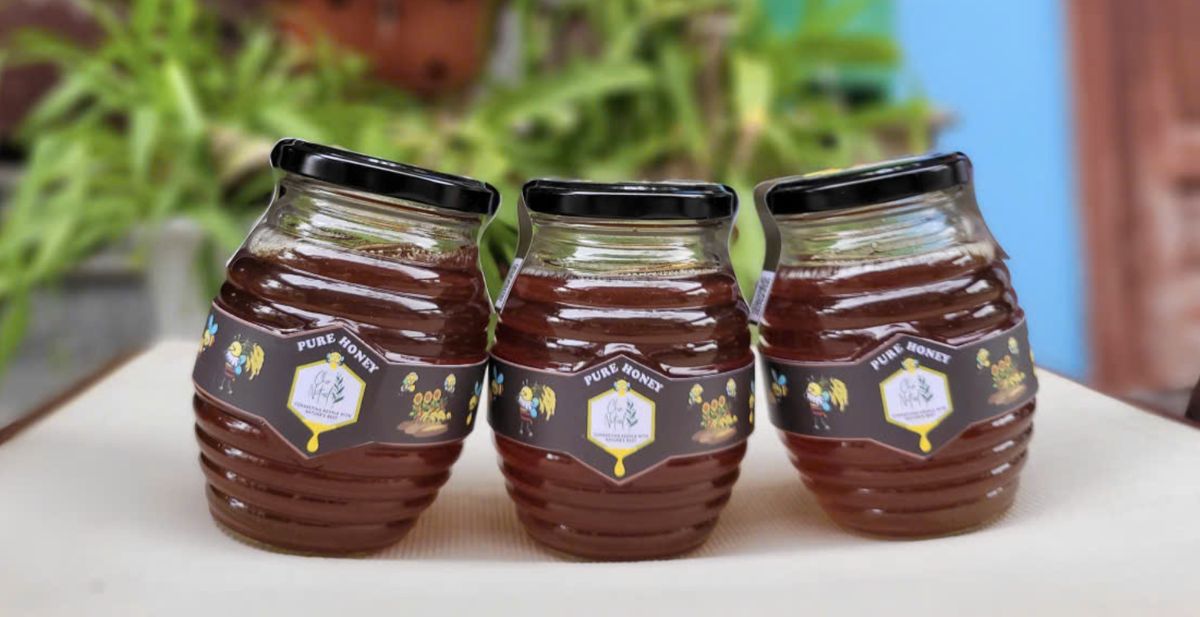
The Global Problem of Fake Honey
Studies estimate that up to 76% of honey sold in supermarkets worldwide has been ultra-filtered or adulterated with corn syrup, rice syrup, or other sweeteners. This "honey laundering" not only deceives consumers but also undermines honest beekeepers.
How to Identify Pure Honey
1. The Water Test
Drop a spoonful of honey into a glass of water. Pure honey sinks to the bottom and doesn't dissolve easily. Adulterated honey tends to dissolve quickly.
2. The Thumb Test
Place a small amount on your thumb. Pure honey stays intact and doesn't spread. Fake honey spreads or drips immediately.
3. The Flame Test
Dip a matchstick in honey and strike it. Pure honey allows the match to light because it contains very little moisture. Fake honey has excess moisture and won't ignite.
4. Check the Label
Look for single-origin honey with clear sourcing information. At Chu Natural, every jar traces back to specific beekeeping communities in Lai Châu, Phú Thọ, Sơn La, or Gia Lai.
Why Pure Honey is Worth It
Pure honey retains all its natural enzymes, antioxidants, and beneficial compounds. It supports:
- Immune health with natural antibacterial properties
- Digestive wellness through prebiotic compounds
- Sustainable beekeeping that protects biodiversity
When you choose Chu Natural, you're not just buying honey — you're supporting ethical beekeeping practices and the livelihoods of Vietnamese farming communities.
Try Chu Natural Honey Today
100% pure, ethically harvested from Vietnam's finest forests.
View Products